Quinn Beck · 10 September 2026
Bergora Library Expands Global Access Through New Digital Lending Platform
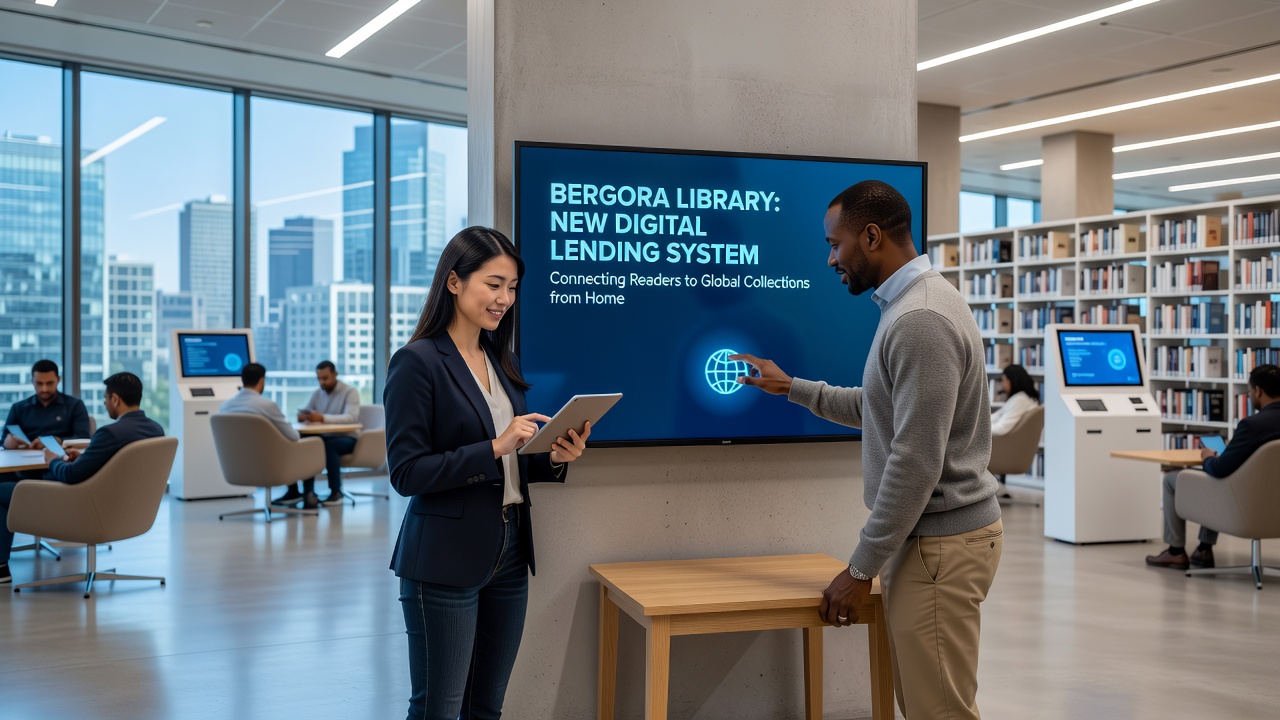
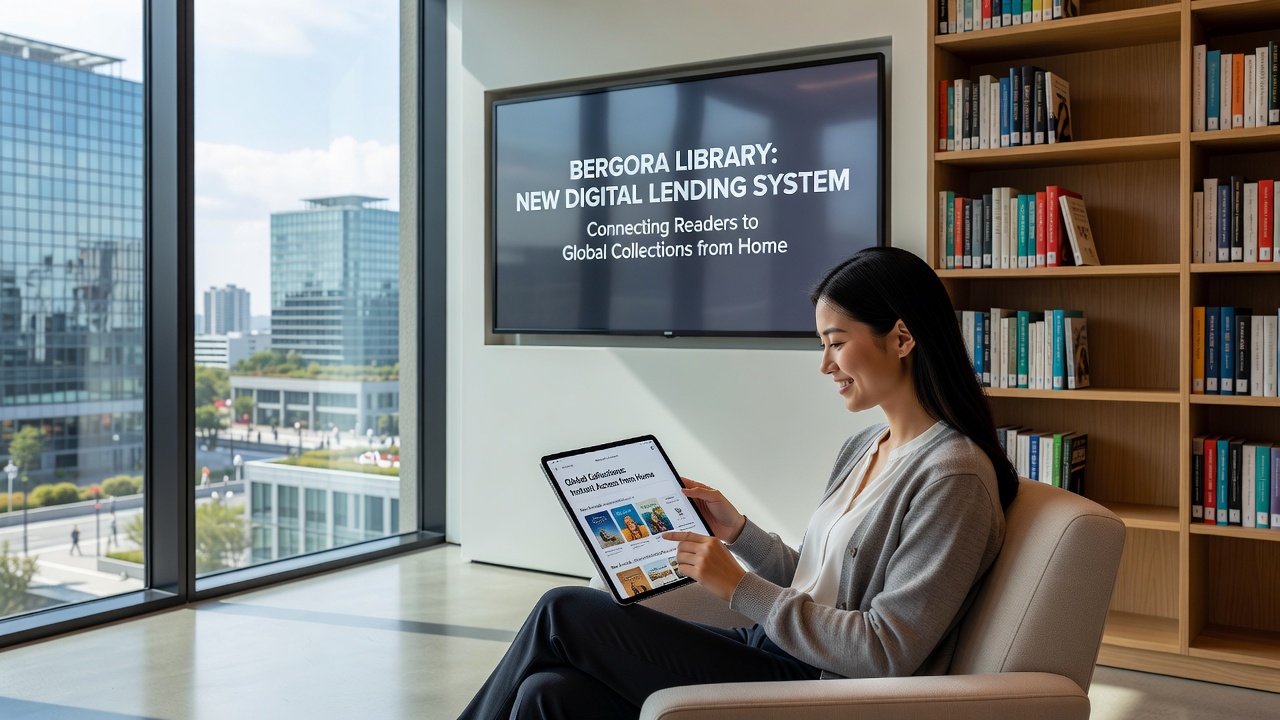
The Bergora Library has rolled out a digital lending system that links local cardholders to collections housed in institutions across multiple continents, and this development builds on existing catalog integrations while supporting remote borrowing through a single account dashboard. Users log in from home computers or mobile devices, search participating libraries, and complete checkouts without visiting physical branches. The platform went live after testing phases that concluded in early 2026, with full rollout scheduled for September 2026.
Core Features and Technical Setup
Library staff configured the system around established protocols for interlibrary loan, yet they added real-time availability checks and automated renewal options that reduce wait times for popular titles. Readers select formats including ebooks, audiobooks, and scanned journal articles, and the software handles format conversion where licensing agreements permit. Data from the International Federation of Library Associations and Institutions shows similar platforms have increased circulation by an average of 35 percent in the first year of operation.
Security measures include two-factor authentication tied to the user's existing library card, while encryption protects transmission of personal borrowing records. The interface supports multiple languages, and accessibility tools such as screen-reader compatibility meet standards outlined in reports from the National Library of Australia.
Participating Institutions and Content Scope
Agreements connect Bergora Library to partners in North America, Europe, and Asia, so cardholders gain entry to over 2 million additional volumes not held locally. Researchers note that the network draws from university repositories and national collections, which broadens subject coverage in areas like history, science, and literature. One partnership with a Canadian academic consortium provides access to specialized Arctic studies materials, and another with an EU digital heritage project supplies digitized manuscripts from the 18th century onward.
Observers point out that copyright compliance follows each source institution's rules, and the system flags restricted items before checkout attempts. Usage statistics collected during pilot months indicated steady growth in international title requests, particularly among students preparing theses and community members exploring foreign-language texts.
Implementation Timeline and Training
Project managers coordinated vendor selection and staff training throughout 2025, and they completed integration with the local catalog by mid-year. September 2026 marks the public launch date, after which the library will offer virtual workshops on navigation and search strategies. Those sessions occur weekly via video call, and recordings remain available on the library website for asynchronous viewing.
Funding came through a combination of municipal allocations and grants from regional library networks, and budget documents list equipment purchases plus licensing fees as primary expenditures. Early adopters reported successful first checkouts within days of account activation, and helpdesk logs show most support requests centered on password resets rather than content discovery.
Usage Data and Future Adjustments
Figures released by the library administration indicate that within the first month after the September 2026 opening, over 4,200 remote loans occurred, with peak activity during evening hours. Staff plan quarterly reviews to adjust lending periods and add new partner institutions based on demand patterns. A report from Library and Archives Canada highlights that comparable systems elsewhere maintained 90 percent user satisfaction when feedback loops remained active.
Technical updates will arrive through scheduled maintenance windows, and the platform includes a suggestion form for requested additions to the shared catalog. Library personnel continue to monitor bandwidth requirements, since simultaneous high-volume downloads could affect response times during peak periods.
Conclusion
The Bergora Library digital lending system therefore provides structured remote access to expanded holdings, and it operates within established legal and technical frameworks shared by partner organizations. Continued data collection will guide refinements as adoption grows through the September 2026 launch and beyond.