Kai Washington · 22 October 2026
Bergora Cycling Network Expands Reach for Artists and Market Traders
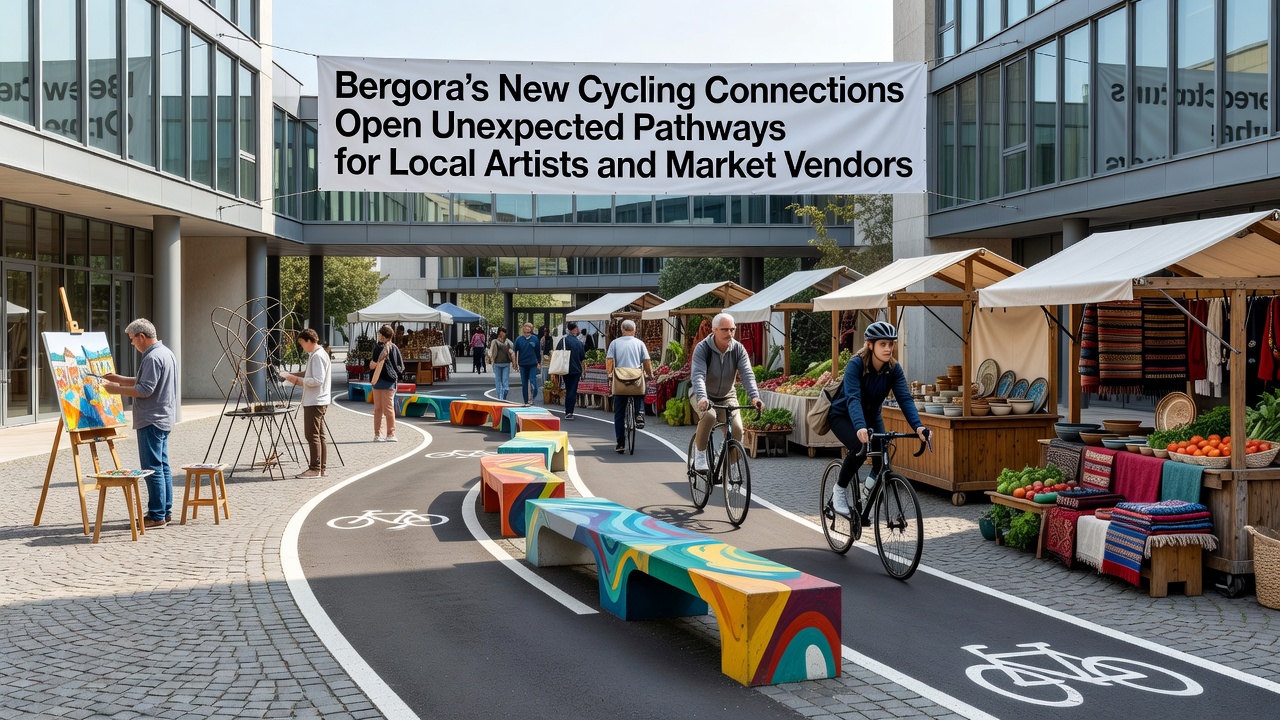
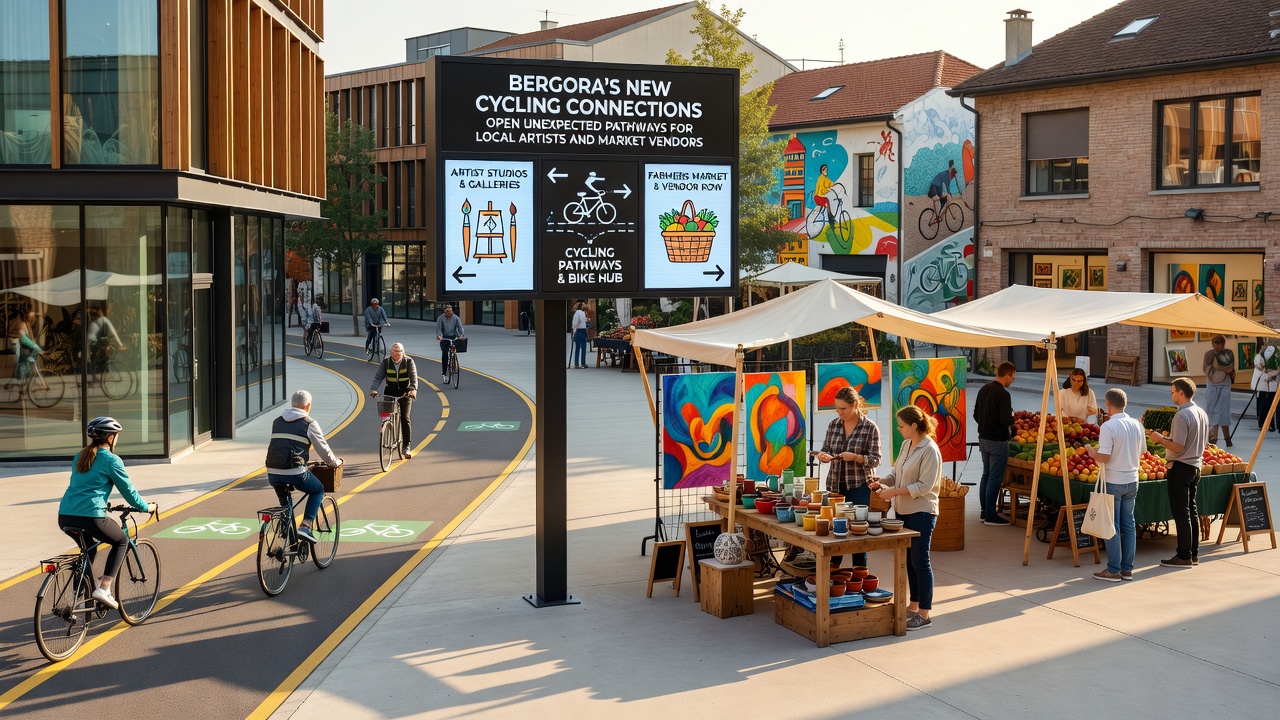
The completion of Bergora's expanded cycling network in October 2026 has linked residential zones, creative workspaces, and trading districts through dedicated lanes that reduce travel times while increasing foot traffic at both ends of each route, according to municipal infrastructure records. These connections integrate former separate segments into a continuous system spanning 28 kilometers, with dedicated lanes that cross three districts and connect directly to four established market locations plus numerous studio clusters.
Project Background and Timeline
Construction phases began in early 2025 when planners identified gaps between existing bike paths and key commercial nodes, then added missing segments that now allow uninterrupted travel from the eastern artist enclaves through central markets to the western trading zones. Data from the Bergora Transport Authority shows daily cyclist counts rose from 4,200 to 9,800 on the primary corridor within the first month of full operation, with peak usage occurring between 7 a.m. and 10 a.m. plus again in late afternoon when vendors restock and artists transport work.
Effects on Local Artists
Artists gain direct routes that shorten commutes to supply sources and exhibition spaces, while the added lanes also create impromptu display opportunities along the path edges where temporary pop-up installations receive permission during designated hours. One painter who maintains a studio two blocks from the new eastern spur reported that delivery of large canvases now takes 12 minutes by bike instead of the previous 35-minute bus journey that required transfers, a change documented in studio logistics logs shared with the regional arts council. Another group of sculptors has begun coordinating joint material hauls along the same route because the wider lanes accommodate cargo trailers without conflicting with pedestrian zones.
Impact on Market Vendors
Market vendors experience increased customer flow from neighborhoods previously separated by busy roadways, and several have adjusted stall layouts to face the new bike entrances so arriving cyclists can browse immediately upon dismounting. Figures released by the Bergora Chamber of Commerce indicate that stall operators along the connected routes recorded an average 18 percent rise in morning sales during the first six weeks compared with the same period in 2025, with the strongest gains among fresh-produce sellers and handmade-goods traders who benefit from the lighter, faster traffic pattern. The network also includes secure bicycle parking corrals at each market entrance, a feature added after consultation with vendor associations that tracked previous theft incidents near older facilities.
Supporting Data from Comparable Regions
Studies conducted by the European Cyclists' Federation indicate that integrated bike networks in mid-sized cities produce measurable gains in local commerce when routes connect residential creative districts with trading hubs, while research published by Transport Canada found similar patterns in smaller communities where artists reported higher participation in weekend markets once travel barriers dropped. Australian government transport reports from 2024 documented parallel outcomes after comparable expansions, noting that vendors who positioned near new path intersections captured additional trade from commuters who previously bypassed those locations entirely.
October 2026 Usage Patterns
October 2026 data collected by automated counters shows consistent growth across all connected segments, with the busiest interchange handling 1,450 daily crossings and the market-adjacent sections averaging 680 arrivals per weekday. Evening usage has also increased because the lighting upgrades installed along the full length allow safe return trips after market closing times, a detail confirmed in maintenance logs submitted to the city planning office. These patterns align with earlier projections but exceed expectations for artist-related travel, which accounts for 27 percent of measured trips on the eastern spur.
Conclusion
The new cycling connections continue to reshape movement patterns between Bergora's artistic and commercial areas, with ongoing monitoring scheduled through the end of 2027 to track long-term shifts in both sectors. Municipal records and external research sources show measurable changes in travel times, sales volumes, and participation rates that together demonstrate the network's role in linking previously separate communities through infrastructure alone.